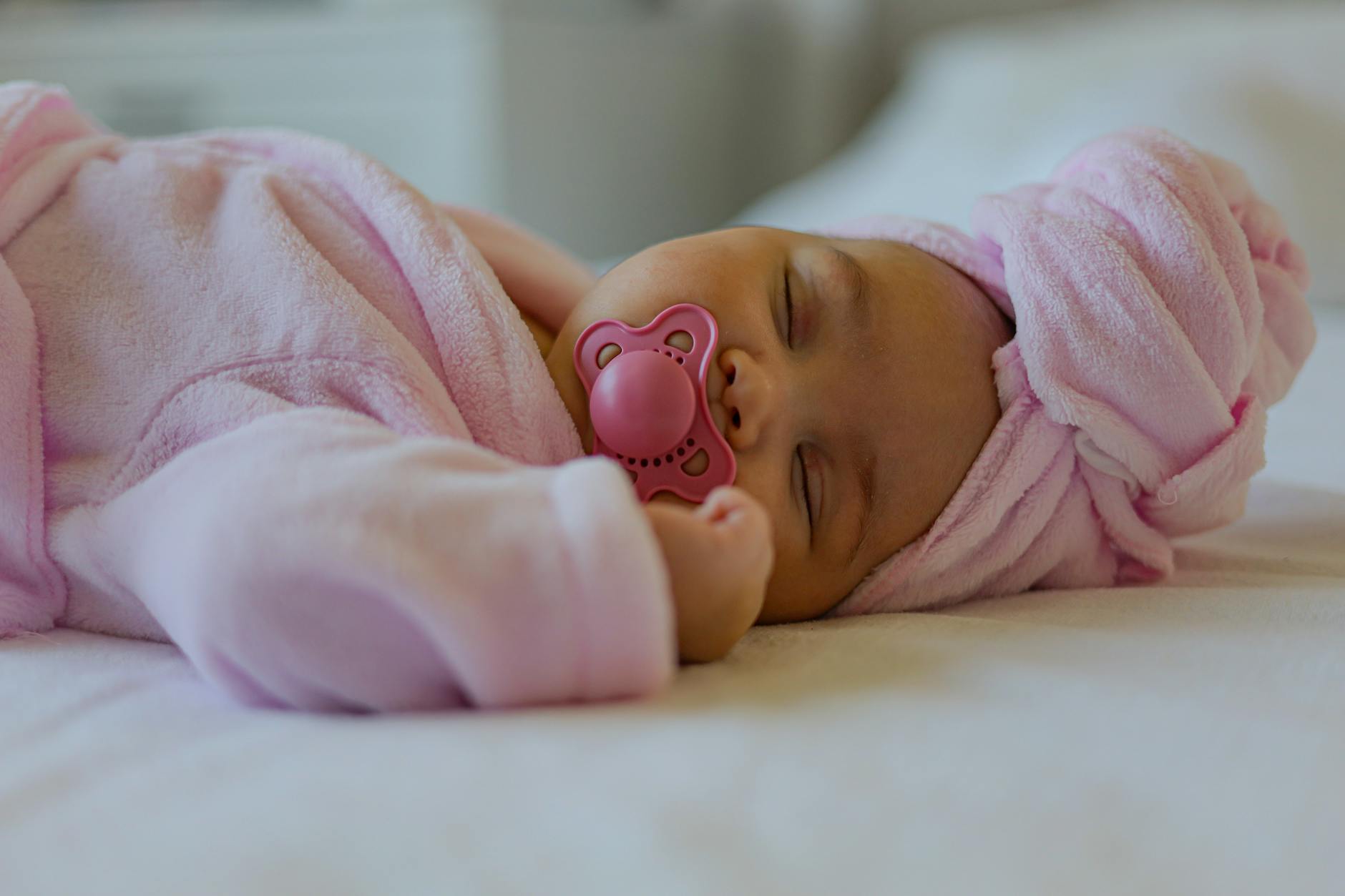
The Sleeping Sound Debate
Sleep sound machines have long been essential fixtures in many nurseries, routinely praised by parents for their promise to help infants and toddlers secure a peaceful night's sleep. However, new research from the University of Pennsylvania has launched a critical reassessment of their effectiveness, especially concerning pink noise—a sound often used in these devices.
According to the study, adults who slept with pink noise at a volume of 50 decibels—an intensity comparable to moderate rainfall—experienced significantly less deep sleep and a reduced amount of rapid eye movement (REM) sleep compared to nights without the noise. Lead author Dr. Mathias Basner suggests that similar findings could extend to babies and toddlers, who arguably rely on deep and REM sleep for crucial brain development.
"The likelihood is high that they do translate to some extent, even if not in a 1:1 fashion," Dr. Basner told Newsweek. "Also, the findings may be more relevant for newborns and toddlers as they spend more time in REM sleep."
Understanding Pink Noise: Potential Risks Unveiled
In the experiments involving 25 healthy adults over multiple nights, those exposed to pink noise found themselves in a compromised sleep state with nearly 20 minutes less REM sleep per night. The implications are particularly concerning, considering that REM sleep is vital for emotional regulation, learning, and brain development.
While pink noise was hypothesized to enhance deep sleep and mitigate disruptions from environmental sounds, it paradoxically shortened sleep length and overall quality. In a scenario where pink noise was combined with typical environmental sounds, such as aircraft noise, participants experienced even greater reductions in both deep and REM sleep.
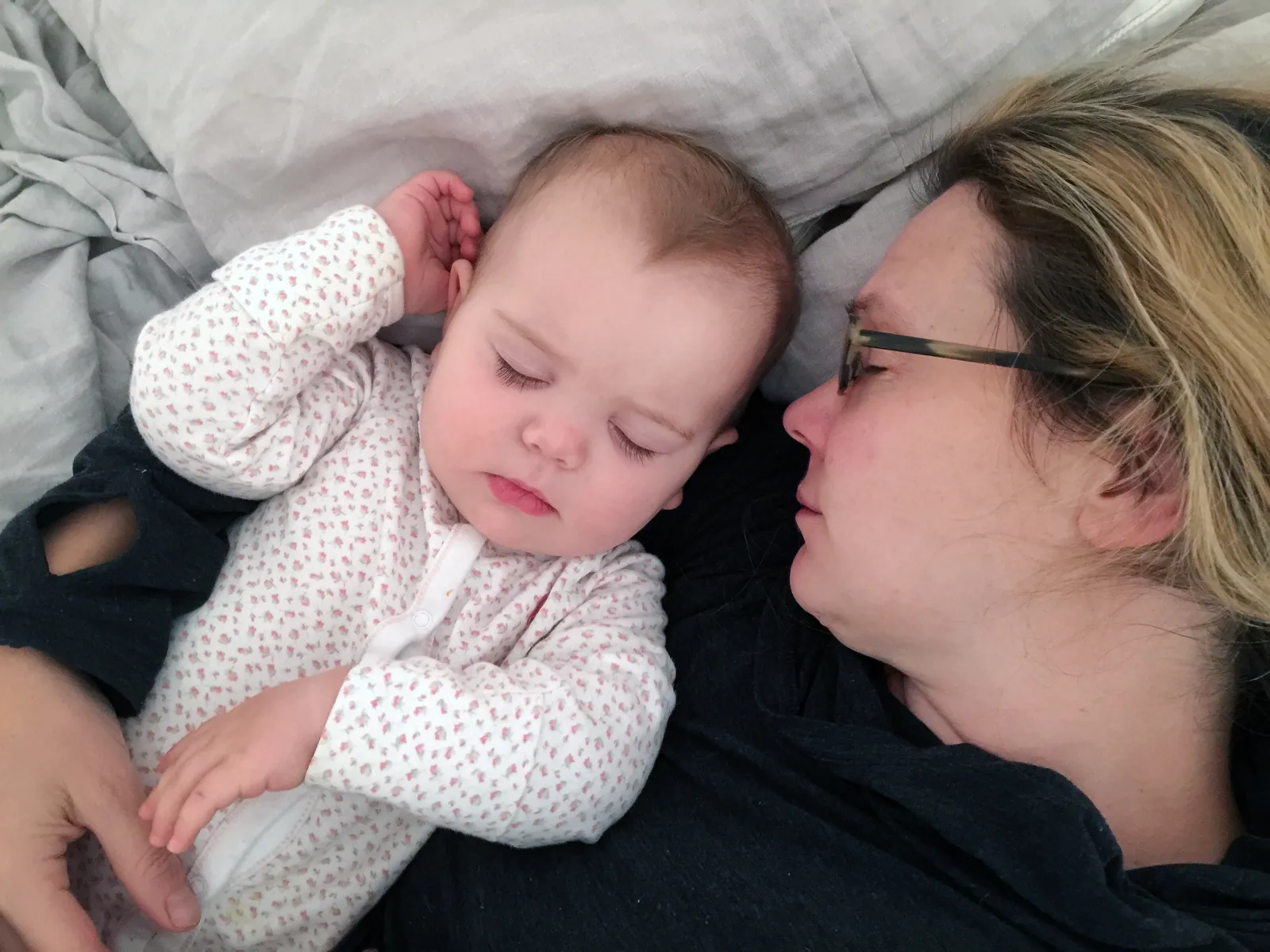
Comparison Between Pink and White Noise: What Parents Should Know
It's essential to distinguish between pink noise and white noise. While often grouped together, they are not synonymous. White noise delivers sound across all audible frequencies at equal intensity, resembling the static of a fan or radio. Pink noise, contrastingly, emphasizes lower frequencies, resulting in a softer, more natural sound that most people find comforting.
Despite the appeal, pediatric sleep experts contend that white noise—while useful for masking sudden environmental sounds—should be handled with care. A study from the American Academy of Pediatrics (AAP) in 2014 found that many infant sound machines violated recommended noise levels, suggesting a risk of hearing damage for babies exposed over time.
The AAP recommends maintaining a safe distance of at least 7 feet between noise sources and the baby’s sleeping area.
The Sound Machine Dilemma: What Should Parents Do?
With new concerns over the implications of sound machines for infants, experts like Dr. Basner advocate focusing on improving the sleeping environment rather than relying on noise machines to mask disturbances. This may involve selecting quieter rooms or enhancing noise insulation through better windows and wall materials.
"Fighting noise at the sources is always the best solution," Basner stated.
Sleep Patterns and Infant Development: What Parents Should Expect
Parents frequently wonder when their babies will sleep through the night. While some may start at just three months old, others might still awaken routinely at the age of one. There isn’t a definitive guide on "sleeping through the night," but many parenting experts define it as a consecutive stretch of six to eight hours.
Sleep interruptions in infants are developmentally normal, often occurring in stages influenced by factors such as mobility development or separation anxiety, usually around 4, 8 to 10, and 12 months. Understanding these natural sleep regressions can help parents adjust expectations regarding their child's sleep journey.
Doctor-Approved Tips for Enhancing Baby Sleep
The Cleveland Clinic suggests that sleep training—teaching babies to self-soothe—is an effective method once infants reach 4 to 6 months old, provided they no longer require nighttime feedings. Experts insist that as long as infants are developmentally capable, there are no adverse effects from sleep training methods.
The AAP also provides guidelines for infant room-sharing, emphasizing safety measures like separate sleeping surfaces to minimize the risk of sudden infant death syndrome.
The Path Forward: More Research Needed
As findings evolve regarding the potential effects of sleep aids like pink noise on sleep health, experts recommend ongoing studies focused specifically on infants and young children. Meanwhile, experts may consider employing timers on sound machines to limit night-time exposure, promoting improved sleep quality for children and adults alike.
Parents searching for ways to support their baby’s sleep should stay informed about new research and incorporate sound practices into their bedtime routines. While achieving restorative sleep in a busy household can be challenging, balancing environmental noise and healthy sleeping habits is vital for wellbeing.
For more detailed discussions on sleep and child development, connect with pediatric experts and researchers in the field.