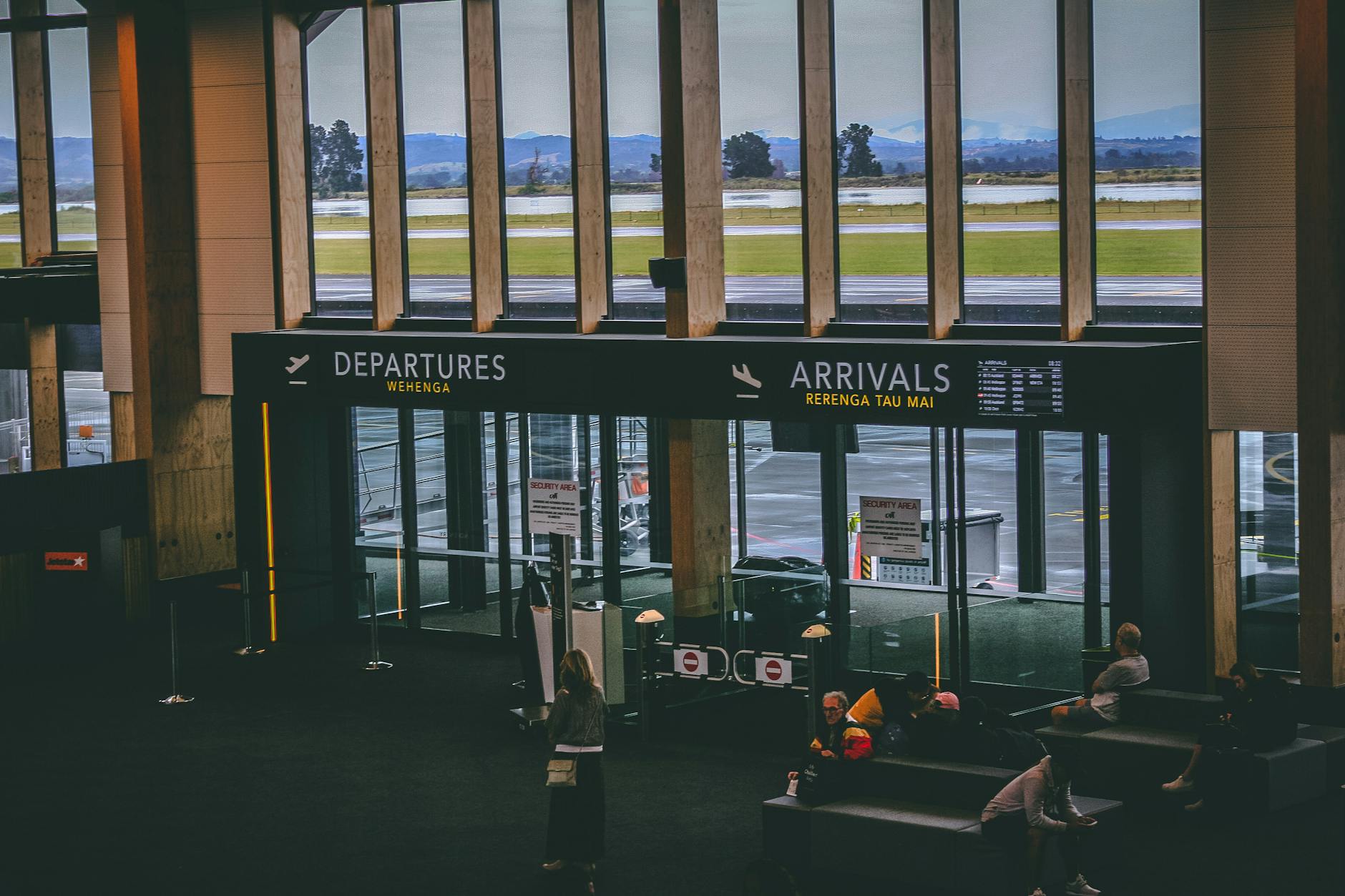
In a shocking display of force, militants from the Islamic State in the Sahel have launched a coordinated attack on Niger's international airport and an adjacent airbase in Niamey, the nation’s capital. The assault, which occurred shortly after midnight on Thursday, resulted in damage to commercial aircraft and raised significant security concerns in a region already plagued by instability.
Details of the Attack
According to reports from the SITE Intelligence Group, which monitors jihadist communications, the attackers, riding motorcycles, employed heavy weaponry and drones to execute their assault. They successfully targeted significant infrastructure, including at least three planes belonging to an Ivorian airline, Air Côte d’Ivoire, and the Togolese carrier, Asky. Fortunately, airline staff were safely away from the airport at a hotel during the attack.
Local authorities stated that security forces were quick to respond, managing to repel the assault, which left 20 assailants dead and 11 apprehended. A government announcement indicated that a cache of ammunition caught fire during the skirmish, potentially preventing further violence.
Wider Context of Violence
This incident is only the latest in a series of violent outbreaks linked to the Islamic State in the region. The group has escalated its activities, with a lethal September strike in the Tillabéri region resulting in over 120 fatalities, and the abduction of an American pilot in October. The attacks signal a troubling trend of increased jihadist aggression in an area previously characterized by relative stability.
Regional and International Implications
Niger has undergone significant political turmoil since the ousting of democratically elected President Mohamed Bazoum in July 2023, transitioning to military rule under General Abdourahmane Tchiani. The junta has shifted its foreign strategy, exiting the Economic Community of West African States (ECOWAS) and aligning with other military-led regimes in the Sahel, specifically Burkina Faso and Mali, to form the Association of Sahel States (AES).
In a chilling statement delivered on national television, Tchiani addressed neighboring countries and France, proclaiming, “We have heard them bark, they should be ready to hear us roar.” This rhetoric embodies the junta's resolve to counter perceived threats from both internal and external forces.
Military Response and Challenges
The attack coincided with another assault by the Islamic State's West Africa Province on a military base in Nigeria’s Borno state, where at least nine soldiers were reported dead. Such simultaneous incursions reflect a coordinated tactical approach aimed at overwhelming regional security forces.
Despite the junta's recent military successes in repelling attacks, the growing patterns of jihadist violence indicate that the struggle is far from over. Security analysts express concerns that this situation may further destabilize the region, especially as Niger grapples with the complex dynamics of its recent political upheaval and the rising tide of militant activities.
Conclusion
The coordinated attack on Niamey's airport and military base underscores the precarious security environment in the Sahel, where jihadist groups are increasingly emboldened. The Nigerien government faces a daunting task of restoring stability and security while navigating the geopolitical implications of its military alliances and cooperation with neighboring states. As the international community closely monitors developments, the future of security in Niger and the broader region hangs in the balance.
For further information on Niger’s ongoing conflicts and the impact of jihadist activities in the region, follow our comprehensive coverage here.