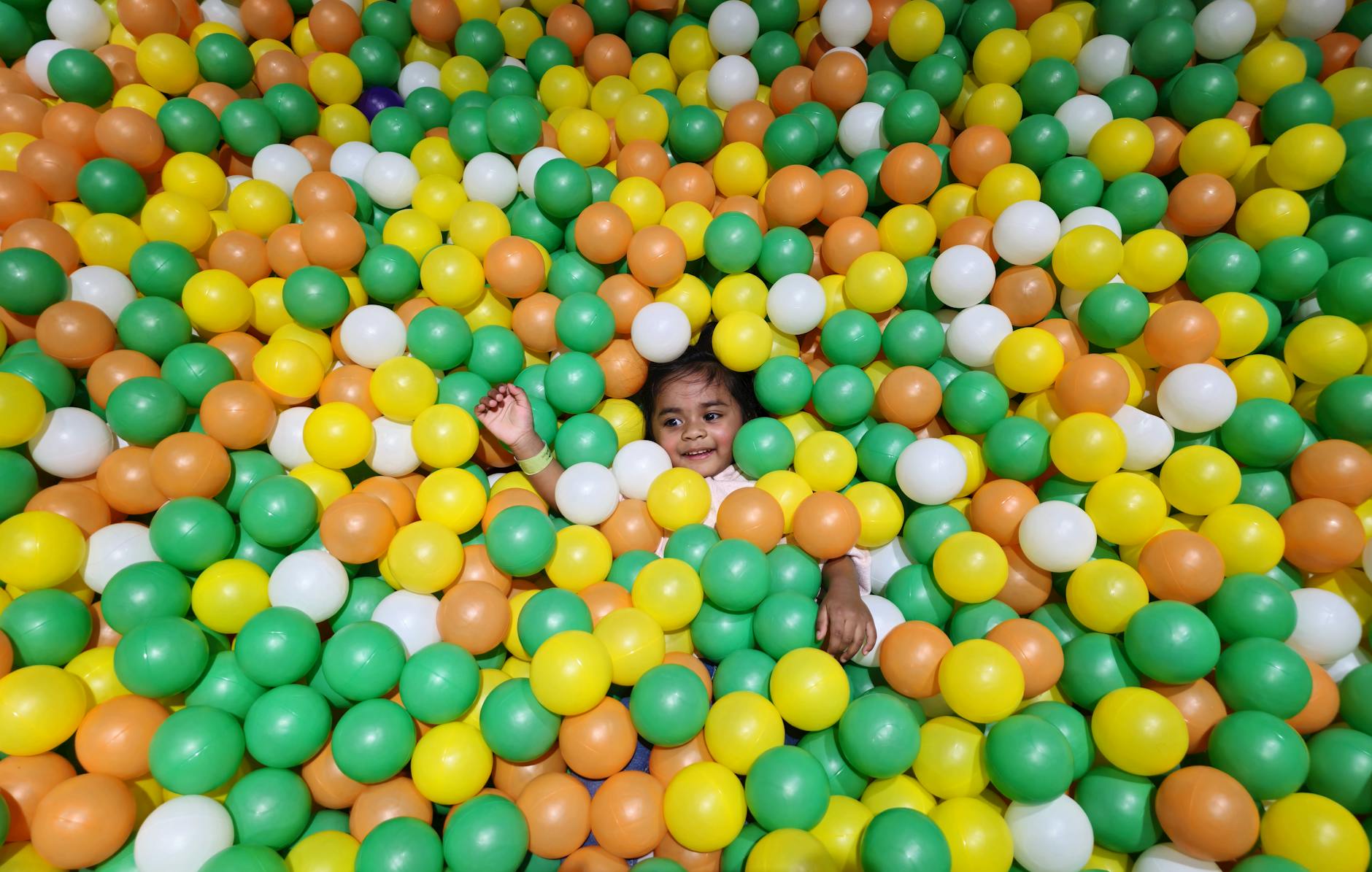
In a seemingly innocuous incident occurring at a children's entertainment facility, an employee’s startling discovery in a ball pit has ignited a fervent discussion across social media platforms. The eye-opening post on Reddit by user lucasearlgray has prompted a closer examination of the chemistry behind plastic products, specifically the apparent fragility of the orange balls compared to their multi-colored counterparts.
The Discovery That Sparked Curiosity
During a routine cleaning of the children’s ball pit, lucasearlgray observed an unusual phenomenon: the majority of the broken and cracked balls were orange. Accompanied by a photo showcasing a bin full of battered orange balls next to a handful of more resilient green, blue, and yellow ones, the Reddit post revealed this peculiar trend that many parents, employees, and commenters found surprisingly engaging.
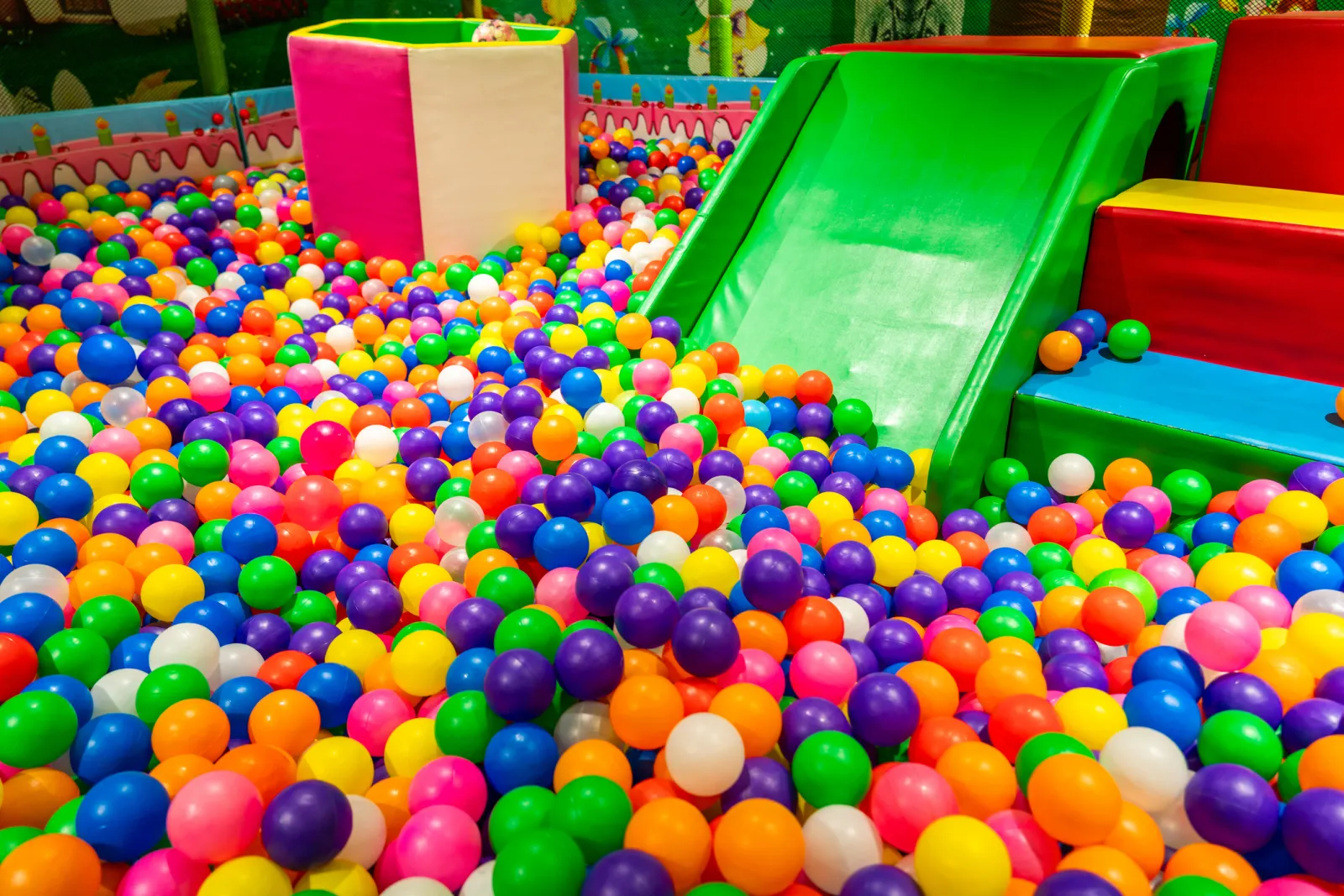
A Deep Dive into the Chemistry of Color
The post garnered thousands of responses, igniting speculation on the relationship between color and material durability. One user highlighted their friend's experience in balloon artistry, mentioning that certain orange balloons tend to pop more easily due to the specific compounds used in their dye. This draws attention to a broader issue where the pigments utilized in creating colored plastics may influence their structural integrity.
Adding to this discussion was another commenter who referenced the well-documented challenges faced in the toy industry. They noted an instance where Lego bricks in particular colors, such as dark brown, became notorious for their brittleness. This issue was notably explored in a 2023 article from Blocks Magazine, which labeled the fragile plastic syndrome affecting dark-colored Legos as "brittle brown."
The Impact of Dyes and Manufacturing Techniques
The article explains that the dyes responsible for this color variation make certain bricks susceptible to breaking, especially when they undergo the stresses of being connected and disconnected from other pieces. While the LEGO Group addressed these fading materials by updating dye recipes around 2019, they also provide a service for replacing broken bricks, albeit with some stipulations.
In discussions surrounding this newfound ball pit conundrum, users also recalled “Gold Plastic Syndrome,” a term coined among toy collectors in the 1990s to describe the brittleness found in gold-colored toys. A notable YouTube video demonstrated this syndrome, showcasing how the gold figures were dramatically more fragile than their counterparts in different colors, furthering the notion that the chemistry of color plays an impactful role in toy durability.
What Does This Mean for Toy Manufacturers?
These observations raise crucial questions for toy manufacturers regarding material choices and safety standards. As parents strive to provide safe playing environments for their children, the possibility that certain colors may contribute to a higher risk of breakage is a significant concern. The discussion also touches on broader implications related to production processes and the long-term sustainability of plastic materials utilized in children's toys.
Although it remains unconfirmed whether the orange balls found in the ball pit are the result of a manufacturer’s design choice or an issue stemming from material production, the online community has shed light on the potential need for innovation and testing in child-centered products.
Newsweek has reached out to lucasearlgray for further comment regarding this intriguing matter. Meanwhile, the internet remains buzzing with insights and theories from various observers on what this might mean for toys in general.
As this discussion continues, it highlights not only the importance of play but also the hidden complexities behind the materials that make it possible. This catalyst for investigation into the interactions between color, chemistry, and durability in children's toys serves as a reminder of the larger conversations regarding safety, design, and the intricate world of manufacturing.