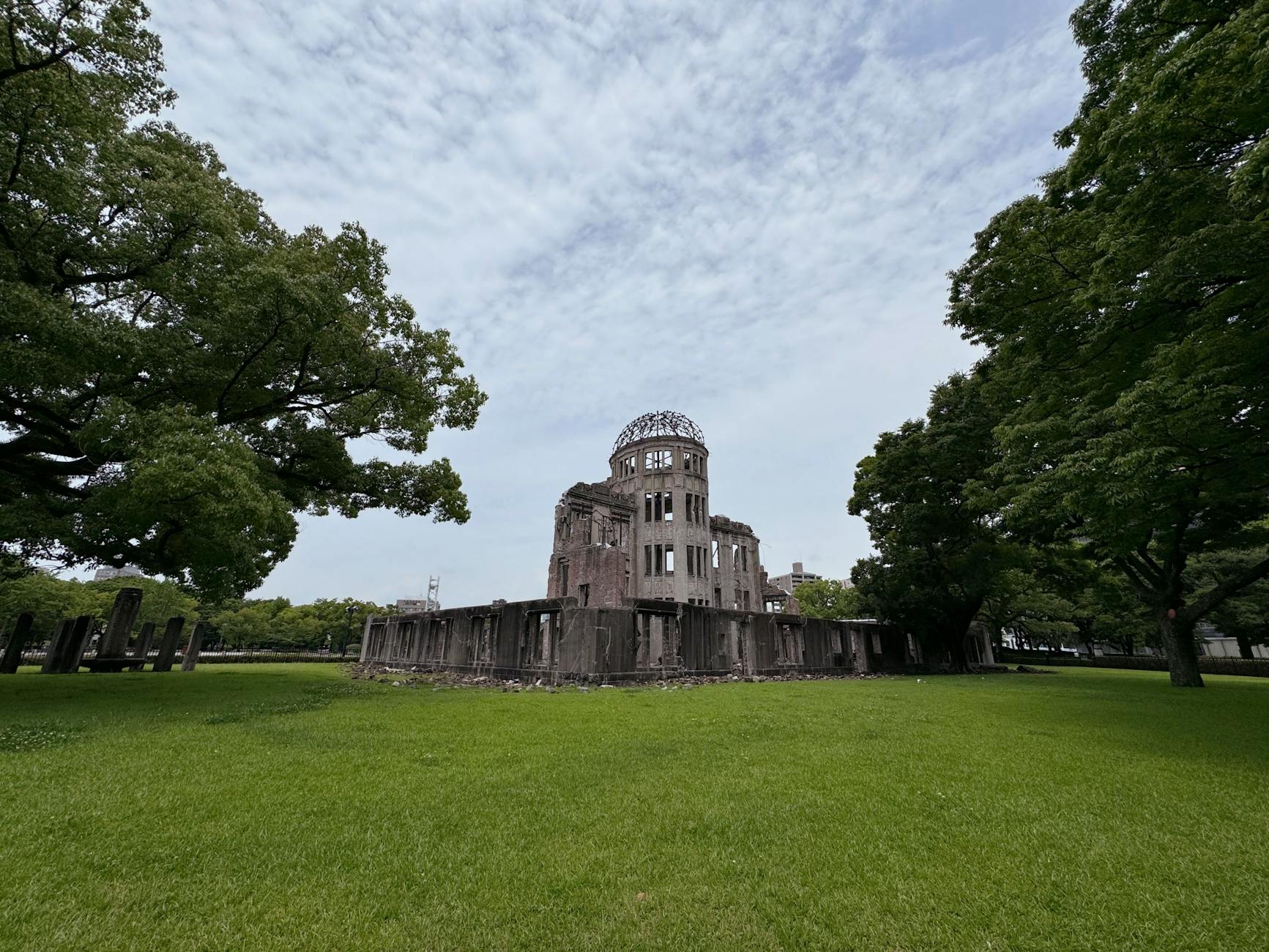
In a dramatic escalation of tensions involving the United States and Iran, the U.S. military has conducted precise strikes in a city believed to harbor significant nuclear facilities. The decision comes amid a backdrop of heightened conflict and critique surrounding former President Donald Trump's recent maneuvers, which he has since publicized through social media.
Ground Zero: The Targeted City
The U.S. forces targeted an undisclosed location known for its nuclear research activities. Officials have stated that these strikes were essential not only for national security but also to deter Iran from advancing its nuclear ambitions. Such military actions invoke strong reactions both domestically and internationally, with critiques revolving around the perceived legality and reasoning behind these interventions.
Trump’s Controversial Move
In an unprecedented move that has raised eyebrows, former President Trump shared a video of the military operation on his social platforms, asserting his continued influence and position in the political arena. The video, depicting the strike operation as a necessary duty to protect the U.S. from potential nuclear threats, has invited mixed reactions from political analysts and the public alike.
While some support this show of strength, believing it deters Iran, others are concerned about the implications of conflating military power with social media spectacle. Critics argue that such actions can lead to unnecessary escalation and perilous consequences, potentially dragging the U.S. deeper into conflict with Iran.
Reactions to the Military Action
The international community has been swift to react. In Tehran, officials condemned the bombings as an act of aggression, calling for a united front against what they perceive as American imperialism. Iranian President Ebrahim Raisi stated in a national address, "Our nation will not yield to threats or acts of war".
Back in Washington, Congress is split. Democratic leaders are demanding more accountability regarding military decisions and are calling for debates on military strategy concerning Iran, while some Republican members express strong support for the strikes, hailing them as a sign of America’s strength under a robust leadership.
The Broader Conflict
This military action comes at a critical juncture where debates around nuclear proliferation and diplomatic negotiations are at the forefront. The Joint Comprehensive Plan of Action (JCPOA), commonly referred to as the Iran nuclear deal, has seen its fair share of challenges over recent years. The Trump administration's withdrawal from the JCPOA in 2018 has since led to significant deterioration in U.S.-Iran relations.
Increasing Hostilities
Over the past months, there has been an alarming increase in hostile incidents in the Persian Gulf, including attacks on shipping lanes and nation-states enforcing maritime security. With this latest military operation, the potential for retaliatory actions from Iran remains high, which raises concerns about regional stability and the safety of military personnel stationed overseas.
The Road Ahead
In the wake of these developments, political analysts predict a turbulent period ahead for U.S.-Iran relations. The possibility of further military engagements looms large, prompting discussions about the need for diplomatic resolutions. Activists and experts are urging the Biden administration to re-engage with Iran on nuclear discussions to prevent further conflict.
Public sentiment is also a stark contrast as Americans reflect on the current geopolitical landscape, resonating concern over military expenditures, potential loss of life, and the broader implications of seemingly unilateral military actions.
As the situation unfolds, it remains to be seen how both Iran and the U.S. will navigate this escalated impasse and what implications it will hold for future diplomatic relations. For continuous updates, visit Newsweek.