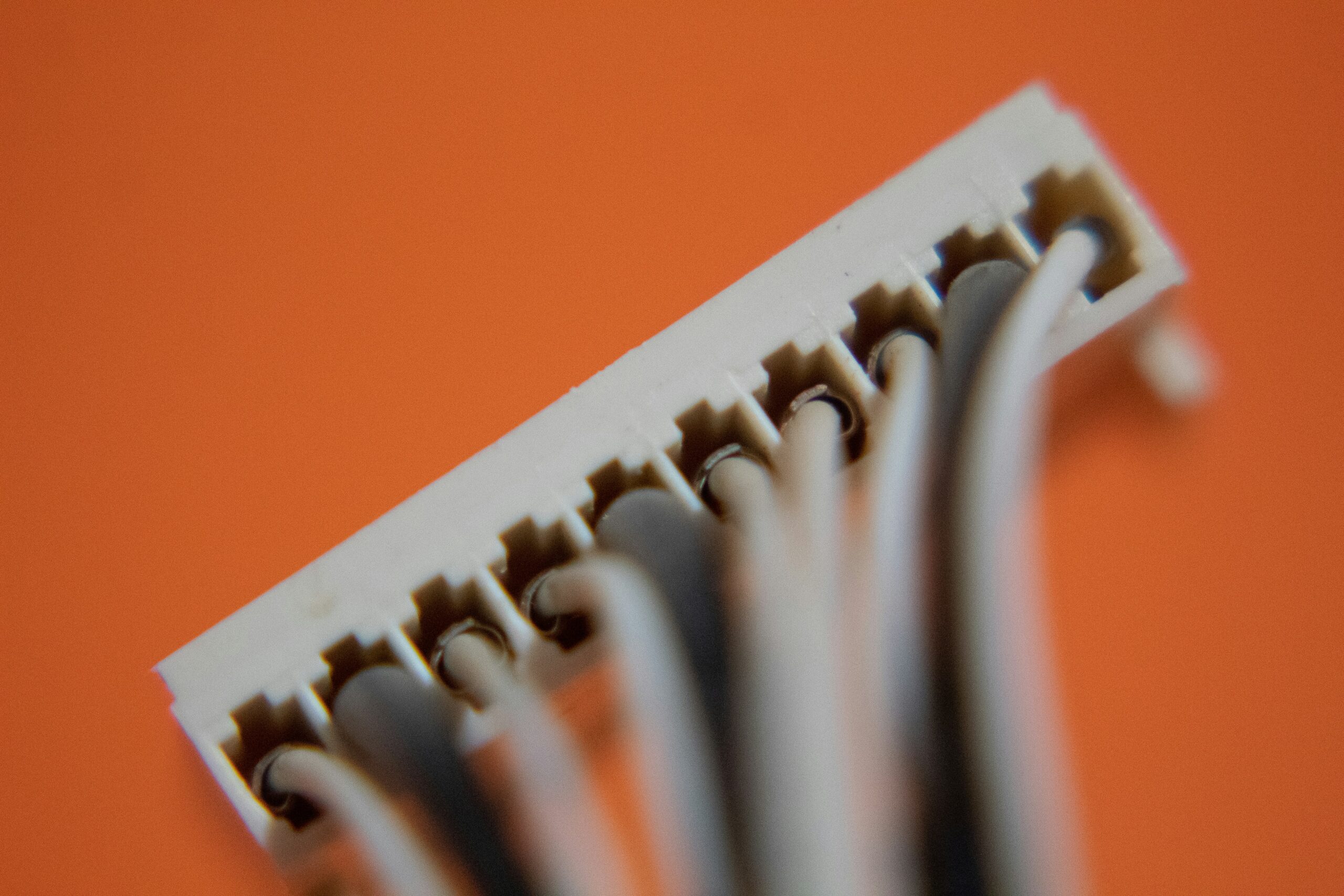
In an age where connectivity defines the success of myriad industries, the importance of wire harness assembly cannot be overstated. As technology continues to advance at an unprecedented pace, manufacturers are turning to sophisticated wire harness solutions to enhance performance, reliability, and efficiency across various applications. This article explores how advanced wire harness assembly is revolutionizing connectivity, driving innovation, and setting new standards in industries ranging from automotive to aerospace.
Understanding Wire Harness Assembly
Wire harness assembly involves grouping multiple wires and cables into a single unit, which is then used to transmit power and signals across various electronic systems. These assemblies are critical components in devices that rely on electrical connections, providing a streamlined approach to wiring that enhances both functionality and safety. Whether in vehicles, computer systems, or industrial machinery, wire harness assemblies ensure that electrical signals travel efficiently and reliably from one point to another.
Components of a Wire Harness
A typical wire harness consists of several key components:
-
Wires and Cables: These are the essential conduits for electrical signals and power. They come in various gauges and insulation types, tailored to specific applications.
-
Connectors: Connectors are used to join individual wires and cables to terminals or other wiring systems. They are designed for quick connections and disconnections, which are vital for maintenance and troubleshooting.
-
Terminals: These are the points where wires connect to power sources or components. Proper terminal selection is crucial for ensuring a secure and reliable electrical connection.
-
Protective Sleeves and Conduits: These components protect the wires from environmental hazards, abrasion, and interference, ensuring the longevity of the harness.
-
Mounting Hardware: This includes clips, ties, and other fasteners that secure the wire harness in place, preventing movement and potential damage during operation.
Innovations in Wire Harness Assembly
The wire harness assembly industry is witnessing significant innovations aimed at enhancing performance and meeting the growing demands of modern technology. Here are some notable advancements:
1. Automation and Robotics
The integration of automation and robotics in wire harness assembly has dramatically increased production efficiency. Automated assembly lines can now perform tasks such as cutting, stripping, and terminating wires with precision and speed. This not only reduces labor costs but also minimizes human error, resulting in higher quality assemblies.
2. Advanced Materials
Manufacturers are increasingly utilizing advanced materials in wire harness construction. These materials offer improved thermal stability, flexibility, and resistance to environmental factors such as moisture and chemicals. For example, the use of high-performance polymers can enhance the durability of wire insulation, making them suitable for demanding applications like aerospace and automotive industries.
3. Customization and Design Software
The rise of sophisticated design software allows for the customization of wire harness assemblies tailored to specific applications. Engineers can now create intricate designs that optimize space, streamline installation, and enhance overall performance. This level of customization enables manufacturers to meet unique customer requirements while maintaining high standards of quality.
4. Enhanced Testing Methods
Robust testing methods are integral to ensuring the reliability of wire harness assemblies. Advanced testing technologies, such as automated electrical testing and environmental simulations, allow manufacturers to rigorously evaluate harness performance under various conditions. These tests help identify potential failures before products reach the market, minimizing costly recalls and enhancing customer satisfaction.
Applications of Wire Harness Assembly
The versatility of wire harness assembly makes it applicable across a wide range of industries. Here are some areas where these assemblies play a vital role:
Automotive Industry
In the automotive sector, wire harness assemblies are fundamental to the operation of electrical systems, including lighting, infotainment, and safety features. As vehicles become more electrified with the rise of electric and hybrid models, the demand for reliable and efficient wire harness solutions has never been greater. Advanced assemblies help in reducing weight, improving energy efficiency, and enhancing overall vehicle performance.
Aerospace and Defense
In aerospace and defense, wire harness assemblies must withstand extreme conditions, including high temperatures and vibrations. The use of advanced materials and rigorous testing protocols ensures that these assemblies maintain their integrity during critical operations. With the growing trend towards more sophisticated avionics systems, the need for innovative wire harness solutions is paramount.
Medical Devices
The medical device industry relies heavily on wire harness assemblies for the functionality of diagnostic and therapeutic equipment. Given the regulatory standards in this sector, manufacturers must adhere to strict quality control measures. Advanced wire harness assemblies provide the reliability and precision necessary for medical devices to perform safely and effectively.
Industrial Machinery
In industrial applications, wire harness assemblies support automation systems, robotics, and heavy machinery. These assemblies must be durable and able to handle the rigors of harsh environments. Innovations in wire harness technology are helping manufacturers optimize their machinery for better performance, reduced downtime, and increased productivity.
The Future of Wire Harness Assembly
As industries continue to evolve, the future of wire harness assembly looks promising. With the ongoing advancement of technologies such as the Internet of Things (IoT), artificial intelligence (AI), and smart manufacturing, wire harness assemblies will play an even more critical role in ensuring seamless connectivity. The push for sustainability will also drive the development of eco-friendly materials and manufacturing processes, further transforming the wire harness landscape.
Conclusion
Wire harness assembly is at the forefront of modern connectivity, driving innovations that enhance efficiency and reliability across multiple industries. As manufacturers adopt advanced technologies and materials, the potential for wire harness assemblies continues to grow. With their crucial role in powering the devices and systems that shape our world, the evolution of wire harness assembly will undoubtedly influence the future of technology and connectivity for years to come. Embracing these advancements will not only lead to improved products but also contribute to a more connected and efficient global landscape.